
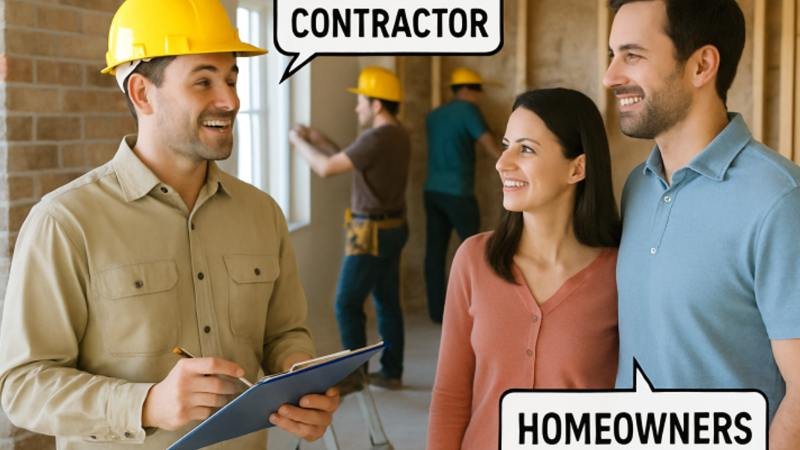
Taking on a home renovation or construction project often represents a major investment, both financially and emotionally. Homeowners may feel excitement about the potential transformation, but the sheer number of decisions and logistics can become overwhelming. A well-chosen general contractor plays a pivotal role in steering the project toward success. Click here to connect with trusted professionals who have the expertise to oversee such projects. Whether you are considering a full-scale remodel, adding a room, or simply updating a space, knowing what a general contractor does can make all the difference. Their guidance helps you avoid costly mistakes and keep your plans on track. By partnering with the right professional, you can focus on your vision while they handle the complexities, offering both peace of mind and a smoother process. Understanding the value a general contractor brings is not limited to large projects. Even modest renovations require coordination, planning, and compliance with regulations. This is where seasoned contractors prove invaluable, ensuring that work progresses efficiently and to the highest standards.
What Is a General Contractor?
A general contractor (GC) is fundamentally responsible for managing the overall execution of a construction or renovation project. Acting as the project manager and primary point of contact, the GC communicates with clients, schedules suppliers, and oversees subcontractors throughout every project stage. Beyond simply directing workflow, a GC is accountable for making sure each phase meets quality standards and complies with all legal and safety requirements. Their oversight covers every aspect from initial planning through final walkthrough. Duties include ordering materials, interpreting architectural plans, troubleshooting issues on-site, and obtaining necessary permits. The GC’s comprehensive scope ensures that, even as multiple tradespeople move in and out of the project, everything comes together seamlessly under a single point of supervision.
Key Responsibilities of a General Contractor
- Project Planning and Scheduling:The GC prepares detailed plans for each construction phase and coordinates the work sequence. This approach prevents unnecessary delays and ensures that each trade works efficiently within the established timeline.
- Hiring and Managing Subcontractors:A seasoned GC selects and supervises professionals such as electricians, plumbers, and carpenters. They assess qualifications, monitor workmanship, and address any performance issues that may arise.
- Budget Management:Cost control is crucial. GCs keep spending in check by providing accurate estimates, negotiating with suppliers, and making adjustments to stay within budget while maintaining quality.
- Ensuring Compliance:Navigating local regulations is part of the job. GCs secure permits and make certain all work is up to code, thereby minimizing legal risks and potential delays.
- Quality Control:Regular inspections help the GC ensure the work meets not only industry standards but also the client’s expectations. Any deficiencies or design changes are addressed proactively.
Benefits of Hiring a General Contractor
Working with a general contractor offers several advantages beyond mere project management:
- Time Efficiency:Projects managed by a GC typically wrap up faster, thanks to clear schedules and direct oversight that keeps work moving without unnecessary hold-ups.
- Cost Savings:Established relationships with local suppliers and subcontractors often translate to better prices, helping keep overall project costs down.
- Expertise and Experience:GCs bring deep industry knowledge of construction methods and materials, resulting in higher-quality outcomes.
- Risk Management:Contractors handle insurance, liability coverage, and on-site safety protocols to protect both workers and property.
How to Choose the Right General Contractor
Investing in the right GC can set the tone for the entire construction experience. Here are important steps to ensure your choice matches your project needs:
- Research and Referrals:Leverage recommendations from family, friends, and online homeowner forums. Check for a history of reliability and customer satisfaction.
- Verify Credentials:Confirm the GC’s licensing status and insurance. Reputable contractors are also often members of professional organizations, further ensuring a commitment to quality.
- Review Past Projects:Ask for examples of similar work. A portfolio helps assess whether the contractor’s abilities align with your vision.
- Obtain Multiple Quotes:Comparing estimates protects you from overpaying. Look for detailed quotes that break down labor and material costs.
- Communication:Choose a GC who is responsive and transparent about timelines, costs, and potential obstacles.
Common Misconceptions About General Contractors
Homeowners often misunderstand the value of a GC. Below are some prevalent myths:
- They Are Unnecessary for Small Projects:Proper scheduling and contractor oversight add value, even for minor updates, especially when multiple trades are involved.
- Hiring a GC Is Too Expensive:While GCs charge fees, their strategic planning and supplier discounts often make projects more affordable in the long run by reducing errors and rework.
- GCs Only Work on Large Projects:Many general contractors specialize in everything from kitchen remodels to additions and can scale their services to suit virtually any need.
Final Thoughts
A general contractor’s role is central to a successful home renovation or construction process. By coordinating every aspect of the job, from planning to completion, GCs help homeowners realize their visions while reducing stress and minimizing risk. Selecting a qualified professional means you gain an advocate dedicated to efficiency, quality, and compliance. With the right guidance, you can confidently transform your home, knowing your investment is in good hands.