
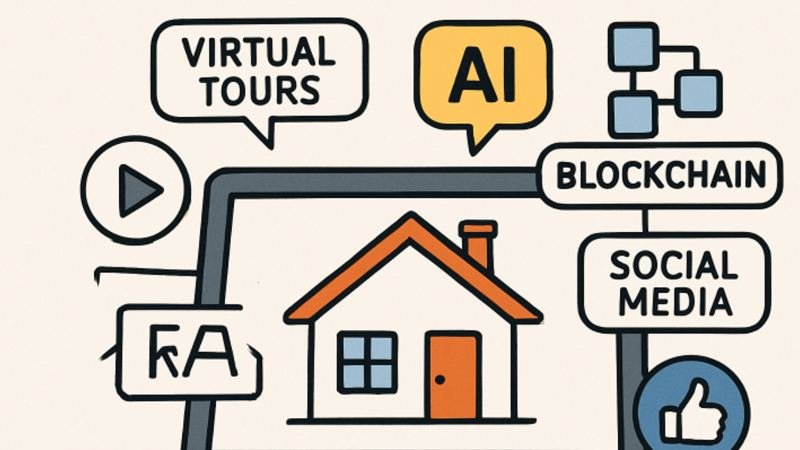
In recent years, technology has emerged as a driving force in the transformation of the real estate industry. With digital resources now widely accessible to both buyers and sellers, entire processes are becoming more transparent, accessible, and efficient. Modern advancements like virtual tours, artificial intelligence (AI), and secure blockchain transactions are setting new standards for home-buying and selling experiences. For those looking to leverage these innovations, platforms such as https://highestoffer.com/ can further streamline these interactions by connecting buyers and sellers in innovative ways.
These shifts not only address the logistical demands of today’s property market but also offer tailored features that can save time, reduce risk, and expand options for all parties involved. As consumers rely more on technology in daily life, it is only natural for these advancements to reshape the path to homeownership.
These innovations reflect an industry-wide push toward streamlined workflows and user-centric tools, reducing barriers that have long challenged traditional transactions.
Additionally, homeowners and buyers wishing to go beyond standard listings can gather further insights and explore transparent transaction options using https://highestoffer.com/, which facilitates seamless connections and transactions in today’s fast-paced real estate landscape.
Virtual Tours and 3D Property Viewings
Virtual and 3D tours have revolutionized how buyers interact with properties. Today, detailed online tours let prospective homeowners examine layouts, finishes, and even the natural lighting in each room, all without leaving their own home. This digital convenience is especially valuable for long-distance buyers or those with packed schedules. By reducing the need for multiple in-person tours, sellers also benefit by only hosting the most interested parties. Data shows that listings with immersive tours attract higher engagement and generate more qualified leads, creating a better experience for everyone involved.
Artificial Intelligence in Home Searches
AI technology has made home searching smarter and more intuitive. AI-powered platforms can sift through large amounts of data in seconds, understanding individual buyer preferences such as desired location, amenities, and budget. These advanced algorithms offer personalized recommendations, helping buyers discover relevant properties they might not otherwise find. This level of customization not only saves time but also makes the decision-making process less overwhelming. Some services even allow users to enter details in natural language, for example, “a three-bedroom home with a fenced yard and a chef’s kitchen,” and get highly relevant search results.
Blockchain for Secure Transactions
Blockchain technology is enhancing security and transparency in real estate deals. It facilitates direct transactions between buyers and sellers, which can cut out unnecessary middlemen and reduce overall costs. The use of smart contracts automates the transaction process, ensuring that every step is completed only when specific conditions are met. This drastically reduces the likelihood of paperwork mistakes or fraudulent activities. Blockchain also speeds up closings by minimizing manual review and verification steps. These benefits are creating new standards in how properties are bought and sold, providing peace of mind for everyone involved.
Social Media’s Role in Real Estate Marketing
The real estate industry has experienced a seismic shift in marketing strategies due to the rise of social media. Platforms like Instagram, TikTok, and Facebook enable agents and homeowners to reach broader audiences through engaging visuals and real-time interactions. High-quality photos, 3D walkthroughs, and viral video tours capture the imagination of potential buyers and encourage organic sharing, which can quickly build interest around unique or luxury properties. Social channels have also become spaces for industry networking, helping agents connect with vendors and appraisers. Listings with distinctive features regularly attract viral attention, driving more site visits and buyer inquiries than traditional marketing avenues ever could.
Big Data and Market Analysis
Big data analytics has become indispensable for wisely navigating the real estate market. By analyzing historical data, market trends, and consumer preferences, algorithms can predict the best times for sellers to list properties and help buyers target their search more effectively. Agencies use these insights to deliver hyper-targeted recommendations, giving clients a significant informational edge. This kind of analysis not only boosts confidence in decision-making but streamlines the entire buying or selling journey.
Environmental Impact of Real Estate Technology
An often-overlooked benefit of real estate technology is its potential to reduce the environmental impact of the industry. With digital listings, e-signatures, and cloud-based paperwork, there is significantly less need for physical brochures and redundant documentation, reducing paper waste. Virtual tours and remote viewings help curb unnecessary travel, especially for out-of-town buyers, resulting in a smaller carbon footprint. These eco-friendly innovations resonate with environmentally conscious consumers looking to support sustainable practices in every aspect of their lives.
Conclusion
Technology is driving rapid changes in the housing market, making each phase of the buying or selling process faster, safer, and distinctly user-focused. From AI-driven search tools and blockchain-secured transactions to digital marketing and eco-friendly innovations, today’s real estate landscape offers more tools than ever to support seamless property deals. As adoption of these solutions grows, buyers and sellers can expect continued improvements in efficiency and a more satisfying, transparent experience.