
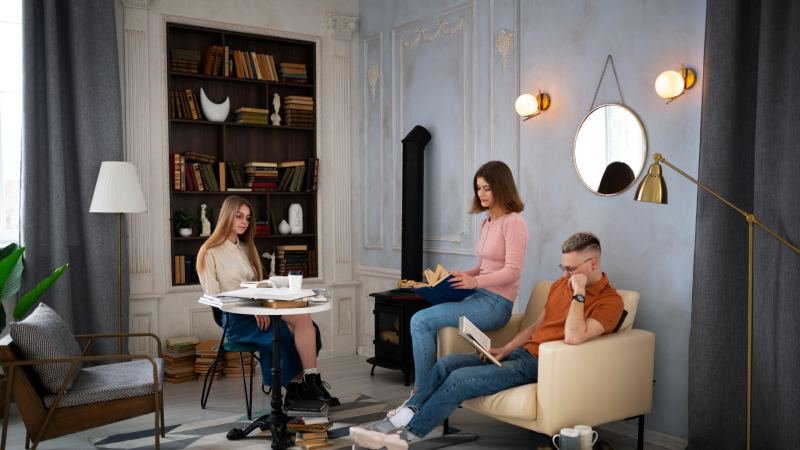
Staying current with home design not only boosts your property’s aesthetic appeal but also provides functional benefits for daily living. As trends shift toward holistic comfort, you will find design elements that merge style, efficiency, and well-being. Whether you’re planning a full renovation or just refreshing a few spaces, staying in the know can help you make decisions that improve your living experience and enhance your home’s value. Keeping up with the latest trends also means your home remains desirable and future-proofed for potential buyers, giving you a significant edge in the market. Discover inspiring new ideas, explore Redmond homes for sale to see the latest in modern living firsthand, or learn how neighborhoods are embracing these innovations to foster healthier, more connected communities.
Modern home design is more than just following visual trends. It’s about creating spaces that meet today’s dynamic needs while reflecting your personality and values. By integrating innovative solutions and authentic elements, you can craft a home that feels inviting, personalized, and ready for the future. From clever layouts to meaningful decor choices, today’s interiors blend practicality with artistry. Distinctive homes prioritize both functionality, making everyday tasks easier, and emotional comfort, ensuring spaces feel like true sanctuaries amid busy modern life.
Natural Materials and Earthy Tones
The move toward natural elements shapes the foundation of contemporary spaces. Features such as exposed wood beams, stone accents, and woven textiles introduce warmth and authenticity to the home. Earth-inspired palettes such as terracotta, sand, and deep greens give interiors a soothing, organic vibe. These choices do not just create visual comfort. They also support wellness by reinforcing nature’s grounding presence indoors. Many homeowners are now choosing finishes and furnishings that tell a tactile story of texture, craftsmanship, and sustainable beauty. Bringing nature inside through potted plants, indoor gardens, and large windows further blurs boundaries between indoor and outdoor living, strengthening overall well-being and fostering a calming atmosphere that invites relaxation after a long day.
Smart Home Integration
Technology continues to be woven seamlessly into modern living. The focus is no longer solely on gadgets but on creating responsive environments that automate lighting, heating, and even security. With the advent of integrated control panels, programmable systems, and intuitive apps, homeowners can adjust their settings remotely, maximizing comfort and efficiency with just a tap or voice command. Voice-controlled virtual assistants and remote temperature controls offer both convenience and energy efficiency. This trend aims for “invisible tech,” integrating devices subtly so homes retain their calming ambiance. Hidden speakers, streamlined charging docks, and wireless systems are now favored over clunky, prominent installations.
Multifunctional Spaces
As remote work, fitness routines, and creative hobbies claim their place in daily life, homes must adapt. Flexible layouts allow a single room to serve multiple roles: a guest bedroom in the evening, an office by day, and a wellness studio on weekends. For example, a kitchen island might double as a workspace or homework station, while a sunroom transforms into a yoga retreat or reading nook. Movable walls, modular furnishings, and optimized storage are essential as households seek both comfort and versatility. Extendable tables, wall beds, and compact storage solutions keep layouts adaptable and organized, especially as families grow or needs change. This approach is crucial for smaller homes or apartments, where space efficiency dictates functionality. Even in larger homes, the ability to reconfigure spaces promotes healthy, active living and ensures every area feels useful and well-designed.
Bold Colors and Personalization
Vibrant hues are making a comeback as people seek to express individuality and energize their surroundings. From dramatic jewel tones to cheerful pastels, many designers now recommend feature walls or standout furniture for immediate impact. Statement ceilings, colorful tile backsplashes, and vivid front doors are increasingly sought after, while personal artwork and heirlooms infuse spaces with narrative value. Art, gallery displays, and handcrafted accents infuse rooms with personality, making every space a reflection of its inhabitants. Decorative pillows, patterned rugs, and custom shelving help tie together different styles, balancing boldness with curated harmony. According to House Beautiful: Home Color Trends, color is becoming a central tool in crafting spaces that tell a compelling visual story. The overall effect is a home that celebrates uniqueness and sparks joy for everyone who enters.
Sustainable Design Practices
Eco-friendly choices continue to rise in popularity as awareness of environmental impact grows. Homeowners are investing in reclaimed or FSC-certified woods, low-VOC paints, and furnishings sourced from ethical suppliers. Environmentally considerate choices such as solar panels, energy-saving window treatments, and water-efficient fixtures make sustainability an everyday reality, not just a buzzword. Energy-efficient lighting and appliances not only lower utility bills but also minimize a home’s carbon footprint. Sustainability now influences every stage of the design process, from architectural planning to decor selection. The conscious adoption of green building practices and recycled materials supports efforts to protect natural resources for generations to come, while also contributing to healthier indoor air quality and a renewed sense of ethical stewardship.
Curved Forms and Softer Furnishings
Rounded shapes in couches, armchairs, coffee tables, and lighting create flow, soften the environment, and invite relaxation. These gentle forms break up boxy configurations, fostering a sense of ease and comfort. Designers frequently pair soft curves with tactile materials such as velvet, boucle, or thick knits to heighten the sensory appeal. Soft upholstery, plush area rugs, and cozy throws enhance feelings of warmth and tranquility. Incorporating rounded mirrors, arched doorways, and oval artwork can provide additional visual interest and balance. This trend reflects a broader shift toward nurturing interiors designed to soothe and delight, offering a safe, relaxing retreat from the demands of the outside world.
Wabi-Sabi and Japandi Influences
Inspired by Japanese and Scandinavian philosophies, Wabi-Sabi and Japandi design fuse simplicity with intimacy. This approach highlights beauty in imperfection and values spaces that combine minimalism with organic charm. Elements like handmade pottery, natural linens, and imperfect finishes create a lived-in look that feels welcoming and meaningful. Open shelving, low-profile furniture, and neutral backdrops promote a feeling of spaciousness while allowing carefully chosen elements to shine. These styles are about more than visual appeal. They encourage mindfulness and foster deeper connections with the objects and environments around you. By embracing imperfection and letting materials age naturally, these designs celebrate history and memory, resulting in homes filled with character and quiet beauty.
Final Thoughts
Embracing key design trends such as natural materials, multifunctional layouts, smart technology, and sustainability will help you create a beautiful, forward-thinking living environment. By consciously personalizing your space and incorporating elements inspired by timeless philosophies, you can ensure your home feels both modern and genuinely reflective of your lifestyle. In the ever-evolving world of home design, balancing innovation with authenticity is the surest way to achieve spaces that endure, inspire, and nurture your best life.